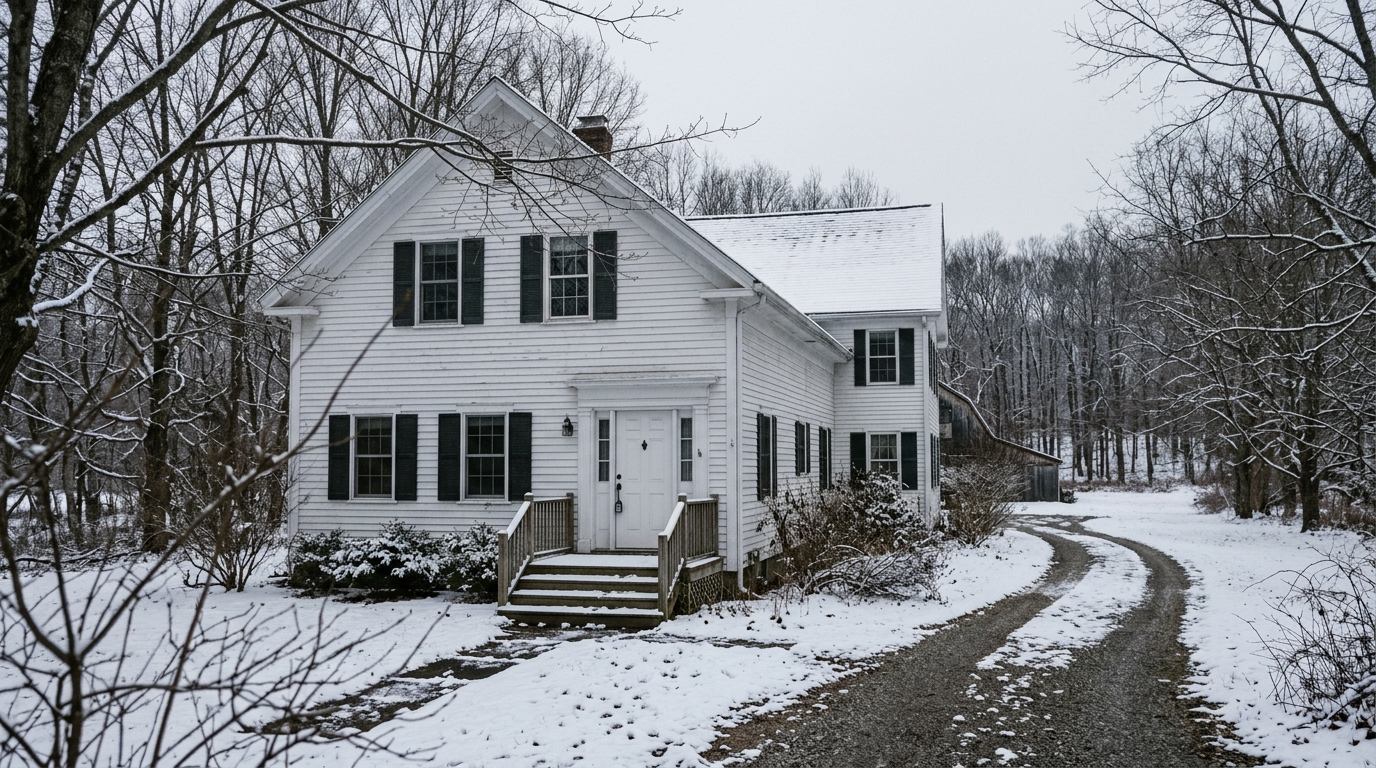
Short-Term Rental Insurance in CT: What Airbnb Hosts Need to Know
Short-term rental insurance in Connecticut: why your homeowners policy isn't enough
If you're hosting guests through Airbnb, VRBO, or a similar platform in Connecticut, short-term rental insurance is one of the most important coverages you're probably not thinking about. Standard homeowners policies in Connecticut are written around the assumption that you live in your home or leave it vacant between your own uses. The moment paying guests walk through the door, most carriers treat that as a business activity, and business activity is typically excluded from personal policies. That gap can leave you personally on the hook for property damage, liability claims, or lost rental income when things go wrong.
What a standard homeowners policy does and does not cover
A traditional homeowners policy covers you when you live in your home. Some Connecticut carriers will extend limited coverage if you rent your property only a few days per year, but even then the protection is narrow. Here is where the exposures start to pile up:
- Property damage by guests. A guest breaks a window, floods the bathroom, or damages your furniture. Most homeowners policies exclude damage caused during a commercial rental period.
- Liability for guest injuries. A guest slips on your icy deck in January and files a personal injury claim. Your homeowners liability coverage may not respond because the injury occurred during a business activity.
- Theft by guests. Standard theft coverage typically excludes items taken by someone you invited onto the property.
- Lost rental income. If a covered loss forces you to cancel bookings for two months, homeowners policies do not include rental income protection.
Platforms like Airbnb offer their own host guarantee programs, and it is tempting to rely on those. The reality is that platform protections have significant exclusions, coverage caps, and a claims process that is not designed to replace a proper insurance policy. They are a supplement at best, not a substitute.
What short-term rental insurance actually covers
A dedicated short-term rental insurance policy is built around the specific risks of hosting paying guests. Coverage typically falls into a few broad categories:
- Dwelling and personal property. Physical damage to the structure and your belongings caused by guests or by covered perils like fire, wind, or water damage. Connecticut homeowners along the shoreline in towns like Milford, Branford, and Guilford face particular coastal risks that make solid property coverage essential.
- Liability protection. Covers legal defense costs and settlements if a guest is injured at your property and sues you. Limits typically start at $500,000 and can go to $1 million or higher.
- Loss of rental income. If a covered loss makes your property uninhabitable and you lose bookings, this coverage reimburses that lost income during the repair period.
- Guest medical payments. Covers minor medical costs for a guest injured at your property, regardless of fault, which can prevent small incidents from turning into large lawsuits.
- Bed bugs and pet damage. Some policies include coverage for specific hospitality-related incidents that standard homeowners policies exclude entirely.
Depending on how frequently you rent, some carriers will write a short-term rental endorsement onto your existing homeowners policy. Others require a standalone policy, especially if the property is rented more than a few weeks per year. The right structure depends on how you use the property and which carriers are willing to write the risk.
Connecticut regulations and local considerations for STR hosts
Connecticut does not yet have a statewide licensing framework specifically for short-term rentals, but individual municipalities have begun moving in that direction. Towns like New Haven, Stamford, and others have adopted or are considering local ordinances that regulate short-term rentals and in some cases require proof of adequate insurance coverage before a host can legally operate. If you are renting in a municipality with these rules, a gap in coverage could also mean a compliance problem.
Connecticut also imposes a room occupancy tax on short-term rentals. Platforms like Airbnb collect and remit this tax on behalf of hosts in most cases, but hosts who rent directly or through smaller platforms may be responsible for collecting it themselves. This is worth noting because short-term rental hosting in Connecticut is a business activity in the eyes of the state, and it should be treated like one from an insurance standpoint as well.
Beyond regulation, Connecticut's weather creates real property risks for rental hosts. Nor'easters, coastal flooding, harsh winters with ice dams, and summer humidity that drives mold growth are all genuine threats. A guest arriving in February is not going to tolerate a frozen pipe situation, and a property that takes on water during a storm could mean weeks of lost bookings on top of repair costs.
How much does short-term rental insurance cost in Connecticut?
Cost depends on several factors specific to your property and how often you rent it. As a general guide:
- Rental frequency. A property rented 10 weekends a year is priced differently than one rented 200 nights a year. Higher occupancy means more exposure and higher premiums.
- Property value and replacement cost. A waterfront cottage in Madison with high-end finishes will cost more to insure than a modest inland property. Carriers base dwelling coverage on the cost to rebuild, not market value.
- Location and flood zone. Properties in coastal flood zones or near rivers and reservoirs may need separate flood coverage. Standard short-term rental policies do not cover flood damage, just as standard homeowners policies do not. Connecticut hosts in low-lying areas should look at personal flood insurance as an add-on.
- Liability limits selected. Higher liability limits cost more but provide meaningfully better protection if a serious guest injury occurs.
- Prior claims history. Carriers will look at your loss history on the property just as they would for any policy.
A ballpark range for a dedicated short-term rental policy in Connecticut falls somewhere between $1,500 and $4,000 per year for a typical single-family property, but that range shifts significantly based on the factors above. The only way to know your actual number is to get quotes from multiple carriers, which is exactly what an independent agency does for you.
Common mistakes Connecticut hosts make with their coverage
A few coverage mistakes come up repeatedly among property owners across Connecticut. Avoiding them can make a real difference when a claim arises.
- Assuming the platform's guarantee covers everything. Platform protections are not insurance policies. They have exclusions, caps, and no legal obligation to pay a claim the way an insurer does.
- Not telling your homeowners carrier about the rental activity. If you have an existing homeowners policy and start renting without notifying your carrier, you may be voiding your coverage entirely. Some carriers will cancel or non-renew a policy when they discover undisclosed rental activity.
- Underinsuring personal property. Rental hosts often furnish the property with televisions, kitchen equipment, linens, and furniture that adds up to tens of thousands of dollars. If the personal property limit is set too low, you will be out of pocket after a significant loss.
- Skipping umbrella coverage. A serious guest injury, a fire that spreads to a neighboring unit, or a liability claim that escalates can easily exceed a $500,000 limit. A personal umbrella policy gives you an extra layer of protection above your primary limits for a relatively modest additional premium.
- Ignoring the difference between short-term and long-term rental coverage. If you have a tenant on a year-long lease, that is a different product: a landlord insurance policy. Short-term rental insurance is purpose-built for transient guests, and the two are not interchangeable.
Get the right coverage for your Connecticut rental property
Short-term rental hosting can be a solid way to earn income from a property you own, but it introduces real business risk that your homeowners policy was not designed to handle. The right coverage exists, and it does not have to be complicated to find.
At United Insurance Group , we are an independent insurance agency serving hosts and property owners across Connecticut, from the shoreline to the Naugatuck Valley. Being independent means we work with multiple carriers and compare options on your behalf, rather than pushing a single company's product. That matters when the product you need is a specialized one like short-term rental insurance, because not every carrier writes it, and the ones that do offer it on very different terms.
If you are already hosting or are thinking about listing your Connecticut property, we would be glad to review what you have in place, identify any gaps, and find you the coverage that fits. You can reach us at (203) 795-0275 or get a quote online and we will be in touch quickly. Do not wait until a guest files a claim to find out your coverage was not what you thought it was.
Get A Quote
At United Insurance Group, securing your future is easy. Ready to protect what matters? Contact us for a quick quote and personalized insurance options!
Meet, James
Your 24/7 Insurance Assistant • English & Spanish
Start your custom insurance quote
Instant answers to your insurance questions
Schedule appointments or follow-ups
Personal Insurance
From auto and homeowners to renters and umbrella policies, we help protect your family and property. Let’s find coverage that fits your life.
Commercial Insurance
We customize policies for your industry's risks, like general liability and workers' comp, ensuring you can run your business worry-free.
Contact United Insurance Group
Recent Posts